Red Blue Heart: A Craft Fair Embroidery Design Review
As an embroidery designer who has prepped for dozens of weekend craft fairs, I have learned to judge a machine embroidery design not by how it looks on a screen but by how it performs on a tote bag under tent lights. When I first opened the Red Blue Heart embroidery file, I immediately began imagining how this design would land with customers browsing a handmade market booth. Let me walk you through my honest assessment of this design for anyone planning to turn it into sellable finished products.
First Impression: Bold, Festive, and Instantly Recognizable
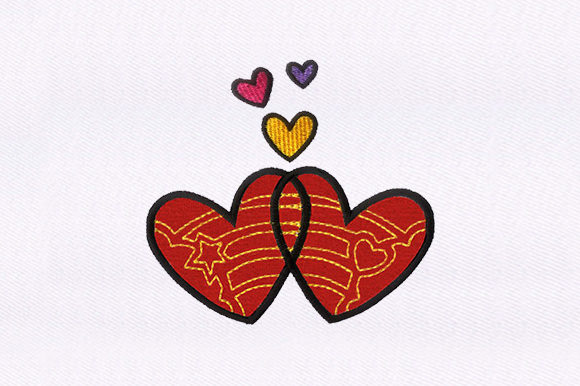
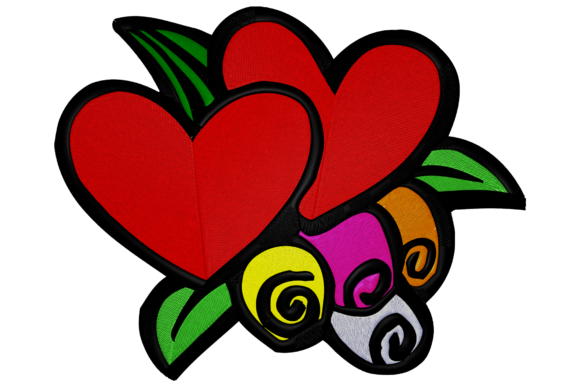
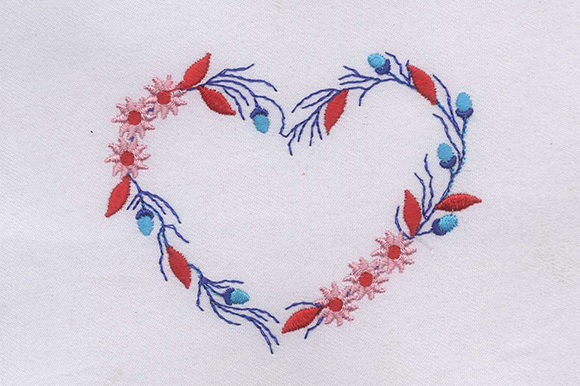
The Red Blue Heart design carries a strong visual punch. The color contrast between the red and blue elements makes it pop from across a booth table. This is not a subtle or minimal farmhouse design; it is bold, graphic, and reads clearly as a heart motif with a two-tone treatment. For Valentine's Day product lines, this design feels celebratory and classic. It has a modern, clean edge that appeals to both younger shoppers looking for giftable handmade items and traditional buyers who appreciate a straightforward symbol done well.
The heart shape is universally understood, which means customers can grasp the design instantly without stopping to decode it. That immediate recognition is gold for a craft fair product because it pulls people into your booth. Once they are close enough to see the stitch quality, you have the chance to close the sale.
Tote Bags and Market Bags
This is where Red Blue Heart really shines. On a natural cotton tote bag, the red and blue threads create a bright focal point that stands out against neutral fabrics. I would place this design centered on the front panel, sized between four and five inches wide. At that scale, the stitch definition remains clean, and the design becomes a strong conversation starter. For a craft fair product, a tote bag with this embroidery feels like a mid-price impulse buy in the twelve-to-twenty-dollar range.
Aprons and Kitchen Towels
For apron embroidery, Red Blue Heart works beautifully as a chest or lower pocket design. The two-color format is simple enough to stitch quickly in batch production, which matters when you are making twenty aprons for a show. On tea towels, I would use a smaller version near the hem or centered on the towel. The design holds up well on both smooth cotton towels and slightly textured linen blends, though I recommend testing on a scrap towel first to confirm stitch clarity.
Caps and Hats
Curved cap surfaces can be tricky for dense embroidery designs, but Red Blue Heart has a relatively open structure that adapts well to a cap front. I would size it between two and three inches wide for a cap. The red and blue contrast remains visible even on darker cap colors like navy or black, which is a practical advantage for expanding your product range without changing thread colors.
Patches and Fabric Pouches
For patch production, this design is ideal because the heart shape works as a standalone motif with a clear edge. You can stitch it on twill or felt, cut it out, and sell iron-on or sew-on patches. Patches are a low-cost, high-margin craft fair product, and Red Blue Heart would appeal to customers who want a quick handmade gift. Small fabric pouches with this design also sell well as gift card holders or jewelry organizers.
Pillow Covers and Home Decor
Pillow covers with a centered heart design are a staple at handmade markets. Red Blue Heart fits right into that category. On a neutral or cream pillow cover, the red and blue threads read as cheerful and modern. I would pair it with a simple cord or tassel trim to boost the perceived value. If you sell home decor items, this design gives you a repeatable, brand-consistent option for seasonal and year-round appeal.
Visual Appeal at a Glance
In a busy craft fair booth, products need to catch attention from at least ten feet away. Red Blue Heart succeeds because of its high-contrast color pairing. The heart shape is so familiar that customers immediately understand the product and can imagine gifting it. That reduces friction in the buying decision.
Photography for Online Listings
For Etsy sellers and digital shop owners, this design photographs well in natural light. The two-tone heart reads clearly in product photos, and you do not need a professional camera to show off the stitch detail. I recommend stitching one sample on a light-colored fabric and one on a dark fabric to give your online shop visual variety. Include close-up shots that show the thread texture so buyers can appreciate the handmade quality.
Batch Production and Repeatability
One of the most practical qualities of Red Blue Heart is how efficiently it stitches out. With only two thread colors, you can produce multiple units in a single afternoon. For a craft fair product line, that means you can stock your booth with a consistent, professional-looking inventory without spending hours on each piece. The design does not require frequent thread changes or intricate color sequencing, which reduces the risk of errors during production runs.
Stitch Density and Fabric Texture
Before you commit to a large production run, test Red Blue Heart on the exact fabric you plan to use. If the stitch density is high, textured fabrics like thick towels or heavy linen can blur the detail. I always recommend running a test on scrap fabric first, using the same stabilizer and thread you intend for the final products. For dense areas, a tear-away stabilizer may work well on stable fabrics, but for knits or stretchy materials, use a cut-away stabilizer to prevent distortion.
Tiny Details and Small Sizing
If you plan to scale this design down for small pouches or cap fronts, check that the red and blue elements remain distinct. Very small hearts can lose the separation between colors, making the design look muddy. I suggest a minimum size of two and a half inches wide for clarity. If you want to go smaller, reduce the design in your software and preview the stitch path before stitching.
Dark Fabric Considerations
One of the strengths of Red Blue Heart is its contrast against dark backgrounds. The red and blue threads both show up well on black or navy fabric. However, if you use a dark red thread on a dark blue fabric, the contrast may drop. Test your thread colors against the fabric color before production. A simple white or light gray underlay can help brighten the design on dark materials.
Curved Surfaces and Cap Frames
When embroidering on caps, the design must flex across a curved surface. Red Blue Heart has a simple enough shape that it should conform without puckering, but I recommend hooping or using a cap frame with firm stabilizer. Check the stitch density in the central area—if it feels too tight, the cap may distort or the thread may break during stitching.
Design Assets and Digital Embroidery File Considerations
The product description lists a comprehensive set of machine embroidery formats: 10O, ART, CND, DSB, DST, DSZ, EXP, HUS, JEF, PCS, PEC, PES, TAP, VIP, VP3, and XXX. That coverage means you can open this design in virtually any embroidery machine or software, from commercial multi-needle machines to home hobby machines like Brother, Janome, or Singer. For Etsy sellers offering digital embroidery files, this format range is a strong selling point because it reduces compatibility issues for your customers.
Before using Red Blue Heart for commercial products, confirm the licensing terms included with your purchase. Most machine embroidery designs allow you to sell finished physical products but do not permit resale of the digital file itself. Check that you have the correct license for craft fair sales, Etsy listings, and boutique production. If the license is unclear, contact the designer directly to avoid any legal issues down the line.
Final Embroidery Designer Notes for Craft Fair Success
If you plan to add Red Blue Heart to your craft fair product line, here is my practical checklist after testing similar designs:
- Test on scrap fabric before any production run. Stitch the design at your intended size and review the thread tension, stitch quality, and fabric distortion.
- Check thread contrast between the heart elements. If you are using a different red or blue than the original sample, stitch a small test to ensure the two colors read as distinct.
- Review spacing around the design. For tote bags and aprons, leave at least one inch of blank fabric around the embroidery to keep the design centered and balanced.
- Confirm hoop size before cutting fabric. The design should fit comfortably within your hoop with room to spare for stabilizer and fabric tension.
- Inspect stitch density in the software preview. If the design has very dense fill areas, consider using a finer needle or a lighter stabilizer to avoid thread breakage.
- Use the right stabilizer for each fabric type. Cut-away for knits, tear-away for wovens, and water-soluble for delicate or sheer fabrics.
- Create at least one real mockup for your booth display and online photos. A physical sample lets customers touch the texture and see the stitch quality, which increases perceived value.
- Compare fabric colors to ensure the red and blue pop against your chosen background. Neutral, white, cream, and dark fabrics all work, but test each combination.
- Confirm commercial licensing before selling finished products. Keep a copy of the license with your business records.
Red Blue Heart is a versatile, customer-friendly machine embroidery design that fits naturally into a craft fair or handmade market product lineup. Its bold color contrast and clean heart shape make it easy to sell, simple to produce in batches, and adaptable to a wide range of products from tote bags and aprons to patches and pillow covers. With proper testing and attention to fabric choice, this design can become a reliable, repeatable bestseller in your seasonal product rotation. Whether you are a seasoned Etsy seller or a small shop owner setting up your first craft fair booth, this design offers the visual impact and practical efficiency that every embroidery business needs.