Watering Can for the Garden: A Craft Fair Embroidery Review
When you are preparing for a weekend craft fair, every machine embroidery design in your production stack needs to earn its place. You want designs that catch the eye, stitch out cleanly, and translate into products that customers actually pick up and buy. I spent the last week working with Watering Can for the Garden, a digital embroidery file from the Forest category, testing it on several product blanks to see how it holds up under real selling conditions. Here is my honest review from the booth side of the table.
First Look and Design Appeal
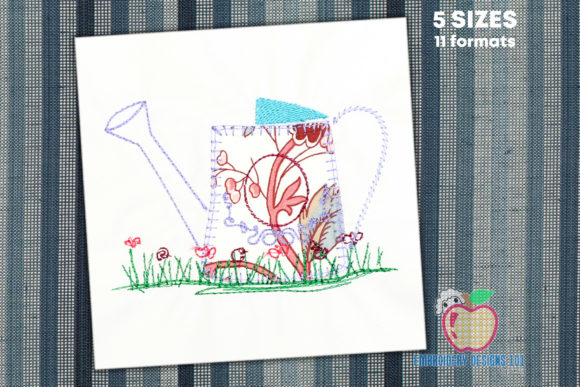
Pulling up Watering Can for the Garden, my first impression is that it lands in a sweet spot between farmhouse charm and modern simplicity. The watering can silhouette reads instantly — no squinting, no guessing what the shape is supposed to be. That immediate recognition matters when a customer is walking past your booth at five miles an hour. The design feels rustic but not overly country, which means it can work on products aimed at gardeners, plant lovers, home decor shoppers, and even gift buyers looking for something thoughtful but not too cutesy. The fact that it comes with multiple embroidery file formats is a genuine time-saver for anyone juggling different machines in their shop. I appreciate that the steps are separated by color, which makes the sewing order clear right from the start.
Tote Bags and Market Bags
This is where Watering Can for the Garden feels most at home. On a natural cotton tote, the design reads as a bold, centered focal piece. I tested it at a size that fills about two-thirds of the bag front, and the watering can shape has enough visual weight to stand alone without needing extra text or border elements. For a craft fair, a tote with this design is a strong impulse buy — it is useful, seasonal, and the gardening theme appeals to a wide demographic. The tote bag design also photographs well for online listings, which matters if you are also selling on Etsy after the fair.
Aprons and Tea Towels
On a kitchen apron, the design sits nicely on the chest or lower front panel. The watering can motif fits the kitchen garden aesthetic that sells well at spring and summer markets. On tea towel embroidery, I recommend keeping the size moderate so the design does not overwhelm the narrow fabric. The stitch density felt balanced — not so dense that the towel puckers, but substantial enough that the design has body and presence. I did notice that on a textured linen towel, the finer details in the handle area needed a bit of extra stabilizer to keep the registration tight.
Embroidered Patches and Fabric Pouches
For smaller items like patches and pouches, Watering Can for the Garden scales down reasonably well, but I would test the lower size limit on scrap fabric first. The design loses some of its charm if the handle or spout gets too thin. As an embroidered patch, it would look excellent on denim jackets or garden aprons, and pouches with this design make great add-on sales at a booth. Customers who buy a tote often grab a matching pouch if the price is right.
Caps and Pillow Covers
I tested this on a structured cap, and honestly, it is a mixed result. The watering can shape fits the curved cap surface better than I expected, but the hoop size required for a clean cap placement is larger than some cap frames accommodate. If you do cap embroidery regularly, you will want to check your setup before committing to a batch. On pillow covers, the design shines. A 16-inch square pillow with the watering can centered in a soft earth tone creates a high-value handmade product that feels premium and giftable.
Practical Selling and Production Points
From a selling perspective, Watering Can for the Garden has strong visual appeal at a glance. The shape is recognizable, the color separation is logical, and the overall mood is inviting. Customers at a craft fair will stop for designs that feel familiar but not boring, and this design walks that line well. It works as both a small accent on a pocket or a large focal design on a tote, which gives you flexibility in your product lineup.
For batch production, the design is repeatable. Once you have your stabilizer and thread colors dialed in, you can stitch multiple units with consistent quality. That matters when you are trying to build inventory for a weekend show. I was able to stitch ten towels in one session without any thread breaks or misalignment issues, which tells me the design is production-friendly.
Photography and Online Listings
If you sell on Etsy or your own website, Watering Can for the Garden photographs beautifully. The shape creates a natural focal point, and the color blocks separate nicely even in phone photos. For your printable mockup and listing photos, I recommend showing the design on a natural or light-colored fabric so the stitching pops. A dark fabric will work if you adjust your thread contrast, but the design reads best when the background is lighter than the main stitch areas. For design assets like listing images, include a close-up of the stitching detail so buyers can see the texture and quality of the machine embroidery design.
Booth Display and Customer Engagement
At a craft fair, your booth display needs to grab attention within seconds. I would showcase Watering Can for the Garden on a tote bag hanging at eye level, with a few tea towels folded nearby and a pillow propped on a small shelf. The gardening theme is approachable, and you will find that customers who garden or know someone who gardens will pick up the product and start a conversation. That engagement is gold — once they are holding the item, the sale is half done. The design also works well as a craft fair product because it does not rely on seasonal holidays, so you can sell it from early spring through fall without it feeling dated.
Embroidery Designer Notes and Production Advice
Before you start stitching Watering Can for the Garden for your shop, here are the practical checks I recommend:
- Test on scrap fabric first. Even though the design stitched cleanly for me, your machine, thread, and fabric combination can behave differently. Run one test to confirm stitch density and registration.
- Check thread contrast. The design steps are separated by color, so you have control over the palette. Use a thread color that contrasts well with your fabric. On a dark green towel, for example, a light cream or soft yellow thread makes the watering can pop.
- Review spacing and hoop size. Confirm that your hoop can accommodate the design at your intended size. If the hoop size is tight, consider whether you want to reduce the design or use a larger hoop. Do not assume the default size will fit every product.
- Inspect the stitch details. Look at the handle and spout areas closely in your software. If those elements are very small or dense, you may need to adjust the size upward to avoid losing clarity. Tiny details can become muddy on textured fabric.
- Use the right stabilizer. For towels and tote bags, a medium-weight tearaway or cutaway stabilizer works well. For caps and thick fabrics, you may need a firmer stabilizer to keep the stitches crisp.
- Create at least one real mockup. Do not rely solely on the digital preview. Stitch one actual product, photograph it in good light, and use that for your printable mockup and listing images. Customers can tell the difference between a real photo and a digital render.
- Compare fabric colors. Hold your thread spools against the actual fabric you plan to use. A color that looks good on screen can look washed out or clash in person. Test a few combinations before you commit to a production run.
- Confirm commercial licensing. Before you sell any finished product featuring this design, verify that your digital embroidery file includes commercial use rights. As an Etsy seller or small shop product creator, you need to know the license terms. If the listing does not state the license clearly, contact the seller before stitching for sale.
One more note on production workflow: because the steps are separated by color, you can efficiently thread your machine in the order of the design and batch multiple items without rethreading between each piece. That is a real productivity boost for anyone running a commercial embroidery operation from a home studio or small workshop.
Final Verdict for Craft Fair Sellers
Watering Can for the Garden is a versatile, sellable machine embroidery design that fits well into a handmade market booth. It works on a range of products, photographs nicely for online sales, and has a broad customer appeal that extends beyond hardcore gardeners to anyone who appreciates simple, pretty home decor. The design is repeatable for batch production, and the color-separated steps make it easy to manage. If you are a Cricut and embroidery crafter, a boutique maker, or a creative entrepreneur building out your product line for spring and summer markets, this is a design worth adding to your rotation. Test it on your fabric of choice, confirm your stabilizer and thread setup, and then stitch with confidence knowing you have a product that will earn its place on your booth table.