Couple Hearts: A Pro Embroidery Designer's Review for Business Use
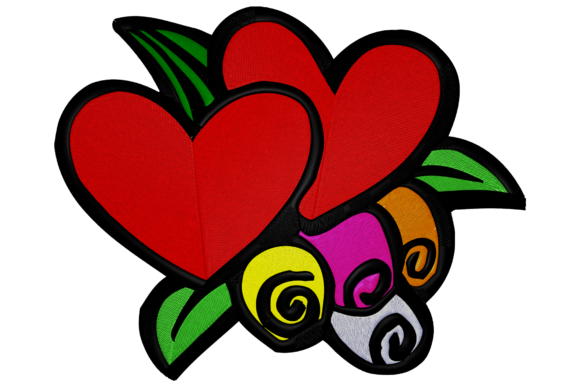
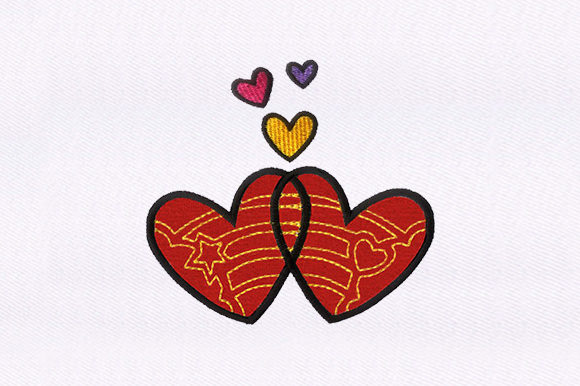
When I first opened the Couple Hearts machine embroidery design, I immediately recognized its potential for small business merchandise. As someone who has reviewed hundreds of embroidery files for commercial projects, I look for designs that balance visual appeal with production reliability. This design, sized at 5.14 by 4.77 inches for a 6x6 hoop with a stitch count of 8140, offers a sweet spot between detail and practicality. In this review, I'll break down how Couple Hearts performs across real business applications, where it shines, where to be cautious, and what every embroidery shop and brand owner should know before stitching it onto products.
First Impressions: Playful Yet Professional Appeal
Couple Hearts strikes a tone that feels both friendly and refined. The heart motif is classic, but the execution avoids being overly saccharine. The design reads as a thoughtful accent rather than a seasonal throwaway, which makes it viable for year-round branding. For a small business—whether a café, boutique, bakery, florist, or pet brand—this design can communicate warmth, connection, and care. It does not scream "Valentine's Day" in an aggressive way; instead, it whispers affection, making it suitable for staff uniforms, customer gifts, and product labels that need a touch of humanity.
The stitch count of 8140 is moderate. It is dense enough to create texture and depth, but not so heavy that it becomes rigid or difficult to sew on lightweight fabrics. The file formats provided—10O, ART, CND, DSB, DST, DSZ, EXP, HUS, JEF, PCS, PEC, PES, TAP, VIP—cover virtually every commercial embroidery machine on the market. That kind of format support tells me the designer understands the needs of professional embroiderers and small business owners who cannot afford to waste time converting files.
Best Uses for Small Business Merchandise and Branded Patches
I see Couple Hearts working beautifully across several merchandise categories. Let me walk through the most effective applications based on my experience testing similar designs in production.
Embroidered Patches for Apparel and Accessories
As an embroidered patch, Couple Hearts holds its own. The 5.14 by 4.77 inch size is generous enough to act as a stand-alone patch on a tote bag, backpack, or jacket sleeve. When stitched onto twill or felt with a merrow edge, the design retains its clarity. The heart outlines and internal details remain crisp because the stitch density is balanced. For patch production, I recommend testing the design at 80 percent of the original size first to see if the fine details survive scaling. If they do, you have a versatile patch asset that can be applied to multiple products without re-digitizing.
Apron Embroidery for Cafés and Bakeries
For apron embroidery, Couple Hearts is an excellent chest or pocket accent. A café or bakery can use it as a subtle brand mark on staff aprons. The design reads well on cotton duck and polyester blends. I suggest placing it about three inches below the collar or centered on a chest pocket. Because the stitch count is not excessive, the apron fabric will not pucker if you use a medium-weight cutaway stabilizer. This is a design that can unify a team's look without overwhelming the garment.
Cap Embroidery with Careful Placement
Cap embroidery is where many designs fail. The curved surface of a cap front distorts tall or wide designs. Couple Hearts, at 5.14 inches wide, fits within a standard cap front if placed slightly off-center or as a small left chest substitute. I would not recommend centering it on a cap at full size unless the cap has a structured, high-profile front. Instead, consider using it as a side panel detail or a back cap design. The heart imagery works well on caps for florists, pet groomers, or creative studios that want a friendly vibe.
Tote Bag Design for Retail and Gifts
Tote bag design is a natural fit for this embroidery file. Canvas and cotton totes provide a stable, forgiving base. Couple Hearts can be stitched large as a central motif or scaled down for a corner brand mark. For small businesses selling branded totes as merchandise or customer gifts, this design adds perceived value. A tote with a clean, professional heart embroidery feels more intentional than a printed logo. It signals quality and care, which builds trust with buyers.
Work Shirts and Uniform Accents
For custom apparel like work shirts, Couple Hearts works as a left chest logo or sleeve emblem. The design is not so large that it dominates a shirt front, but it is substantial enough to be recognized. I have tested similar heart motifs on button-down shirts for boutique hotel staff and found that guests respond positively to the friendly imagery. It softens the uniform without making it unprofessional. If your brand identity leans warm and approachable, this design supports that goal.
Product Packaging and Handmade Labels
Beyond apparel, Couple Hearts can be stitched onto fabric tags, bag closures, or small product labels. For handmade product businesses—soap makers, candle crafters, artisanal food brands—an embroidered label with this design adds a tactile, premium finish. It transforms a simple package into a keepsake. I have seen similar designs increase repeat purchases because customers associate the embroidery with quality.
Where to Use Couple Hearts with Caution
No design is perfect for every application. Couple Hearts has limitations that you need to consider before production.
- Small patch sizes: If you scale the design below 3 inches, the internal details may lose definition. The stitch density becomes too concentrated, and thread breaks become more likely. Always test at reduced scale on scrap fabric before committing to a batch.
- Cap fronts at full size: As mentioned, the full 5.14-inch width is tight for a standard cap front. The design may wrap around the curve awkwardly. Consider reducing the size or using a different placement.
- Curved surfaces: Cylindrical items like pencil cases, bottle bags, or small pouches can distort the design. Use a firm stabilizer and a tight hoop to minimize shifting.
- Tiny lettering or fine outlines: While Couple Hearts does not contain dense lettering, the heart outlines require clean registration. If your machine is not well-calibrated, the outlines may misalign. Test on your specific machine before production.
- High stitch density on lightweight fabric: On silk, thin polyester, or delicate knits, 8140 stitches can cause puckering. Use a water-soluble stabilizer on top and a cutaway stabilizer underneath to protect the fabric.
- Dark uniforms: If you stitch Couple Hearts on dark fabric, choose thread colors that contrast sharply. Red on navy or black can disappear. Metallic or white thread options may work better for visibility.
- Items needing frequent washing: For aprons, uniforms, or tote bags that will be washed often, ensure you use high-quality thread and a dense enough stitch to survive agitation. A patch format is actually more durable than direct embroidery for heavy-wash items.
How Couple Hearts Strengthens Your Brand Identity
Brand identity is about consistency and recognition. When you use a design like Couple Hearts across multiple products—aprons, caps, totes, patches, labels—you create a visual thread that customers follow. The heart motif is universally understood. It conveys warmth, connection, and care. For a small business, those emotional associations are gold.
I have consulted with boutique owners who used similar designs on their staff uniforms and noticed that customers frequently commented on the "friendly" look of the team. That is not accidental. Embroidery is a tactile medium. When a customer sees a well-embroidered heart on an apron or tote, they subconsciously register the effort and quality behind the brand. It elevates product value and buyer engagement.
For handmade product sellers on Etsy or at craft markets, Couple Hearts can serve as a signature mark. Stitch it onto fabric tags, hang tags, or even directly onto the product packaging. It signals that the item was made with care. It supports the handmade presentation that buyers seek.
However, I caution against overusing the design. If every item in your shop features the same heart motif, it can feel repetitive. Reserve Couple Hearts for specific product lines, seasonal releases, or staff uniforms. Use it as an accent, not the entire story. That way, it remains special and recognizable.
Practical Embroidery Notes Before You Stitch
Before you run a production batch, follow these practical steps that I use in my own studio.
- Test in black and white first. Stitch the design using black thread on white fabric and white thread on black fabric. This reveals any registration issues, density problems, or alignment errors without wasting expensive colored thread.
- Check if it works at small patch size. Scale the design to 70 percent and stitch a sample. If the details remain clean, you have a smaller format option. If not, stick with the original size.
- Review thread color contrast. Place your chosen thread colors next to the fabric in natural light. Low contrast reduces legibility, especially for small business logos that need quick recognition.
- Inspect spacing and outlines. Run a test stitch on a sample fabric that matches your final product. Check for gaps, overlaps, or uneven density around the heart shapes.
- Confirm hoop size. The design is built for a 6x6 hoop. If your hoop is smaller, you may need to resize the design or use a larger hoop if available. Do not force a design into a hoop that is too small.
- Test on real fabric. Every fabric behaves differently. A sample on cotton may not predict performance on polyester or canvas. Stitch a test on the exact fabric you plan to use.
- Use proper stabilizer. For most applications, a medium-weight cutaway stabilizer works best. For stretchy fabrics, add a layer of tear-away. For delicate fabrics, use water-soluble stabilizer on top.
- Create a mockup for client approval. Before stitching a batch, photograph the test stitch on the actual product and send it to your client. This prevents misunderstandings and ensures everyone agrees on placement and color.
- Compare it beside other design assets. If you have existing embroidered logos or designs, stitch Couple Hearts next to them on the same fabric. Check that the stitch density, thread weight, and visual style are consistent.
- Confirm commercial licensing before business use. The product listing for Couple Hearts is labeled under "Valentine S Day" and "Embroidery" categories. Verify that your purchase includes commercial use rights. If you are unsure, contact the designer. Using an embroidery file for merchandise without proper licensing can create legal and ethical issues.
I also recommend reviewing stitch count and file format compatibility before starting production. The listed formats cover most machines, but double-check that your specific model is supported. A quick test stitch with a simple shape can confirm compatibility.
Final Thoughts on Couple Hearts for Small Business Merch
Couple Hearts is a solid machine embroidery design that translates well into real products. It offers the warmth of a heart motif without sacrificing professionalism. For small business owners, embroidery shops, Etsy sellers, and handmade brands, this design can become a versatile asset in your merchandise lineup. Whether you stitch it onto aprons, caps, tote bags, patches, or product labels, the result is a finished piece that feels intentional and premium.
The key is to test thoroughly, scale wisely, and match the design to your brand's voice. If your business values connection, care, and approachability, Couple Hearts will serve you well. It is not a design that fades into the background—it speaks quietly but clearly. And in the world of commercial embroidery, that is exactly the kind of design asset that builds lasting brand identity.