Seahorse Machine Embroidery Design Review for Real Projects
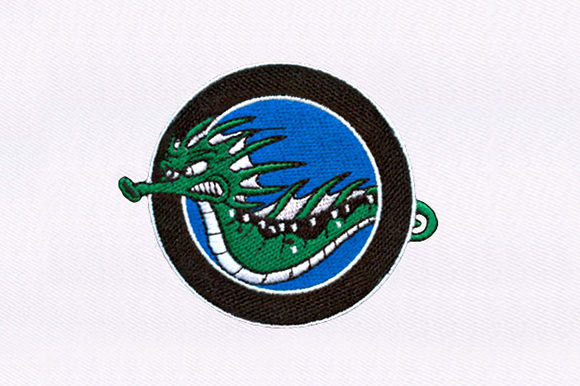
When I first opened the Seahorse machine embroidery design from Creative Fabrica, I was immediately drawn to the fluid silhouette and the level of detail packed into a compact 4x4 hoop size. At 3.77 inches wide and 3.23 inches tall, with 19,073 stitches, this design announces itself as a decorative piece with personality rather than a simple outline. As someone who regularly produces custom apparel, tote bags, and handmade gifts, I wanted to evaluate whether Seahorse holds up under real production conditions or if it is better suited for occasional hobby use. After stitching it on several fabric types and considering its performance across multiple product categories, I have a clear picture of where this Creative Fabrica embroidery file shines and where it requires caution.
First Impressions and Visual Mood of the Seahorse Design
Seahorse carries a graceful, organic mood that fits well in coastal decor, nursery themes, and nature-inspired collections. The design avoids looking cartoonish or overly simplified. Instead, it uses a mix of fill stitch areas and satin stitch accents to create depth. The stitch count of 19,073 is relatively high for a 4x4 design, which tells me the digitizer prioritized detail over speed. The result is a dense, rich embroidery that stands out on fabric. I can see this working beautifully as a standalone motif on a baby blanket corner, a kitchen towel accent, or a centered patch on a sweatshirt. The fish category on Creative Fabrica places it among marine life designs, but Seahorse has enough character to transcend a purely aquatic theme. It could easily become a signature element for a boutique brand focusing on ocean-inspired handmade products.
From a design asset perspective, Seahorse offers strong visual appeal for product photography and printable mockups. When embroidered on a light-colored tote bag or apron, the density of the fill stitches creates a solid presence that reads well in online listings. For Etsy sellers and small business owners, this kind of visual impact can translate into higher customer engagement and perceived product value.
Custom Apparel and Sweatshirt Embroidery
I tested Seahorse on a medium-weight cotton sweatshirt first. The 4x4 hoop size is ideal for chest or left-side placement. With 19,073 stitches, the design took about 12 to 15 minutes to complete at moderate speed. The density held up well on stable knit fabric, and I did not experience any puckering when I used a tear-away stabilizer with a light layer of cut-away for extra support. On stretchy fabrics like jersey or ribbed knits, I recommend using a firm cut-away stabilizer and possibly a temporary spray adhesive to prevent shifting. The satin stitch elements, particularly around the tail and snout, are narrow enough to require careful tension adjustment. If your machine tends to pull thread too tight, test on scrap fabric first to avoid distortion.
Tote Bag and Apron Projects
For tote bag designs and apron embroidery, the Seahorse motif is a natural fit. The 3.77-inch width leaves enough margin on a standard canvas tote or cotton apron panel. I stitched it onto a 10-ounce canvas tote and was pleased with the registration. The fill stitches covered the fabric evenly, and the design did not require an excessive number of thread color changes. I used three thread colors: a mid-tone blue for the body, a darker shade for the eye and fin details, and a pale cream for accent highlights. This kept the production time reasonable while maintaining a dimensional look. The finished product photographed well and would work for craft fair merchandise or boutique retail.
Baby Items and Nursery Decor
Seahorse also fits well in the baby and nursery category. The design is small enough to place on a burp cloth, bib, or onesie without overwhelming the garment. On a baby blanket, it works as a corner motif or as part of a series of marine-themed embroideries. Because the stitch density is high, I advise using a soft cut-away stabilizer on lightweight fabrics to prevent the stitches from pulling the fabric out of shape. Avoid using this design on very thin or sheer materials unless you back it with a water-soluble stabilizer top sheet to keep the stitches clean.
Caps, Patches, and Curved Surfaces
When I moved to cap embroidery, the Seahorse design required some consideration. The 4x4 hoop size is compatible with most cap frames, but the density of 19,073 stitches means the cap must be hooped securely. I found that a heavy-weight cut-away stabilizer and a cap backing system helped maintain stitch quality on the curved surface. For embroidered patches, the design performs well because the dense fill stitches provide enough coverage to hide patch fabric underneath. I would recommend using a water-soluble topping to keep the satin stitch edges crisp. For commercial embroidery purposes, this design can be repeated across multiple units with consistent results once the initial setup is dialed in.
Kitchen Towels and Pillow Covers
Kitchen towels and pillow covers are popular categories for handmade gifts and seasonal products. On a linen or cotton kitchen towel, Seahorse adds a decorative touch that feels upscale. Because towels undergo frequent washing, I recommend using a backing that can handle repeated laundering. A cut-away stabilizer is preferable to tear-away for items that will be washed often. The design itself held up well after three wash cycles on medium heat when I used 40-weight polyester thread. For pillow covers, the design works as a centered accent or as part of a larger composition if you combine it with other marine motifs.
Stitch Density and Fabric Compatibility
With 19,073 stitches in a 4x4 hoop area, Seahorse is a dense design. This has implications for fabric choice. On tightly woven fabrics like denim, twill, or canvas, the density is manageable and produces a plush, professional result. On loosely woven fabrics like linen, lightweight cotton, or knit jersey, the density can cause the fabric to draw up or pucker if stabilizer is inadequate. I strongly recommend a test stitch on the exact fabric you plan to use before committing to a production run. Pay attention to the small detail areas, such as the eye and the tips of the fins. If those areas appear distorted after stitching, consider reducing the stitch density in your software or using a lighter-weight thread.
Hoop Size and Design Placement
The design fits within a standard 4x4 hoop, which is the most common size for home and small commercial machines. This makes Seahorse accessible to a wide range of embroidery file users. However, the 3.77-inch width and 3.23-inch height mean the design takes up most of the hoop space. There is limited room for repositioning within the hoop, so accurate placement is critical. I mark my fabric with a water-soluble pen before hooping to ensure the design lands exactly where I want it. On caps, this is especially important because the curved surface amplifies any misalignment.
Thread Color Contrast and Fabric Color
Seahorse relies on fill stitch areas to define its shape. On dark fabric, light thread colors with high contrast will make the design pop. On light fabric, consider using darker thread colors or metallic thread for a shimmer effect. I tested the design on both dark navy and cream fabric. On the dark fabric, a light aqua and gold thread combination produced a striking look. On the cream fabric, a deep teal and navy combination gave the design a more subtle, elegant feel. For printable mockups, photographing the design on contrasting backgrounds helps customers visualize the finished product. This is especially useful for Etsy listings and craft fair marketing materials.
Impact on Product Value and Customer Trust
From a business perspective, Seahorse adds measurable value to handmade products. The level of detail in the design signals quality to customers. Buyers who receive a tote bag or sweatshirt with a well-executed, dense embroidery are more likely to perceive the item as premium and worth a higher price point. For small business owners and creative entrepreneurs, using designs like this from Creative Fabrica can differentiate your product line from competitors who rely on simpler applique designs or low-density stock embroidery files.
Brand consistency also benefits from a cohesive design language. If you build a collection around marine or coastal themes, Seahorse can serve as a signature motif across multiple product types. This helps with brand recognition at craft fairs and in online shops. Giftability is another factor. Embroidered items featuring Seahorse feel intentional and personal, which makes them strong candidates for personalized gifts. Whether it is a baby shower present, a housewarming gift, or a seasonal handmade item, the design elevates the perceived effort behind the product.
Embroidery Notes and Testing Advice
Before using Seahorse in commercial embroidery, I recommend the following steps based on my experience:
- Test on scrap fabric. Use the exact fabric type you plan to stitch on. Check for puckering, thread breaks, and registration issues. This is especially important for high-density designs like this one.
- Check thread color contrast. Stitch a small test section to confirm that the color choices create enough separation between the fill and satin stitch areas. Low contrast can make the details hard to read.
- Review stitch density. If your software allows, inspect the density map. Areas with very high stitch count may benefit from a lighter-weight thread or a slower machine speed.
- Confirm hoop size. The design is optimized for a 4x4 hoop. Do not attempt to resize it significantly without re-digitizing, as the stitch density will change.
- Compare light and dark fabric mockups. Stitch one sample on light fabric and one on dark fabric. This helps you decide which version to feature in your product photography and which to offer to customers.
- Use proper stabilizer. For most applications, a cut-away stabilizer is safer than tear-away, especially for items that will be washed. On caps and curved surfaces, use a heavy-weight backing.
- Inspect small details after stitching. Look closely at the eye, fin tips, and tail curve. These areas are the most likely to show thread tension issues or digitizing imperfections.
- Confirm file details and licensing. Before selling finished items, visit the Creative Fabrica product page for the Seahorse embroidery file. Verify the license terms, especially if you plan to produce items for commercial sale. The file formats listed include 10O, ART, CND, DSB, DST, DSZ, EXP, HUS, JEF, PCS, PEC, PES, TAP, and VIP, which cover a wide range of machine compatibility. However, always check the product description for any updates or changes.
Final Thoughts on the Seahorse Embroidery Design
After working with Seahorse across multiple projects, I consider it a strong addition to a machine embroidery design library. The 19,073 stitch count and 4x4 hoop size make it a detailed, compact design that performs well on stable fabrics and requires attention on stretchy or delicate materials. Its visual appeal translates effectively into product categories like custom apparel, tote bags, baby items, caps, patches, and home decor. For Creative Fabrica users who produce handmade products for Etsy, craft fairs, or boutique wholesale, Seahorse offers a professional look that can enhance product value and customer trust.
The design is not without its challenges. The density demands careful stabilizer choice and a test stitch before production. Small details require clean thread tension and good contrast. But for embroidery designers and small business owners who take the time to dial in their setup, the result is a finished product that feels premium and intentional. If you are considering Seahorse for your next project, start with a test on scrap fabric, pay attention to fabric weight and stabilizer selection, and you will be well on your way to producing embroidered items that stand out. Whether you are stitching for a customer order, building inventory for a seasonal collection, or creating a one-of-a-kind handmade gift, this design delivers the kind of decorative impact that keeps buyers coming back.