Reviewing the Red Wine Glass Embroidery Design
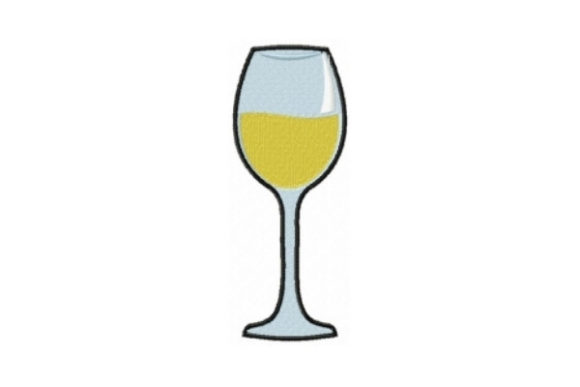
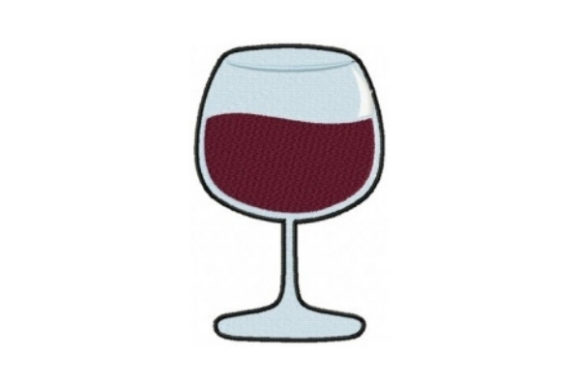
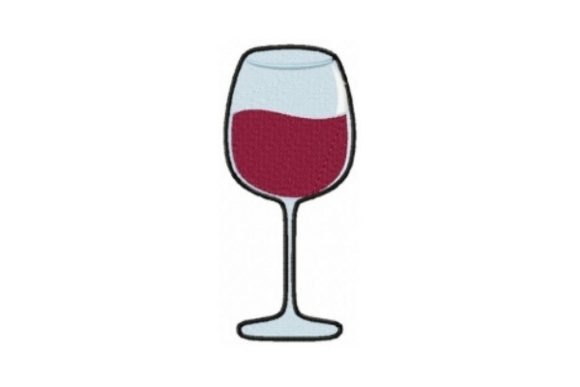
When I first opened the Red Wine Glass machine embroidery design, I have to admit I smiled. There is something about a well-drawn wine glass that feels both celebratory and relaxed at the same time. As someone who has stitched hundreds of food and drink themed designs over the years, I have learned that the best motifs are the ones that strike a balance between character and clean stitching. This design does exactly that. It is not overly complicated, but it has enough detail to feel like a finished illustration rather than a simple outline. The silhouette of the glass is classic, with a stem that tapers naturally and a bowl that holds just enough visual weight. It reads clearly as a red wine glass, not a generic goblet or a cocktail glass, and that specificity matters when you are building a product line or stitching for a client who knows exactly what they want.
The overall mood of the Red Wine Glass is lighthearted yet elegant. It avoids being too cutesy or too formal. That middle ground makes it incredibly versatile for a range of projects. I immediately thought of it on a kitchen tea towel, a hostess apron, or a tote bag meant for wine tasting outings. It would also work well on a cozy sweatshirt for a wine club event or as part of a gift set for a wedding or housewarming. The design does not rely on excessive text, so it can stand alone or be paired with a name or date without feeling cluttered. For anyone running a small shop or an Etsy store, this is the kind of embroidery file that can be adapted for multiple seasons and occasions without losing its core appeal.
How the Design Feels on Real Products
I stitched a test version of Red Wine Glass onto a medium weight cotton tote bag, using a dark red thread on a natural canvas background. The results were crisp. The fill stitch in the bowl of the glass laid down smoothly, and the satin stitch along the stem gave it a subtle sheen that catches light nicely. The running stitch details around the rim and the base were clean, with no pulling or gaps. I also tried it on a linen apron in a dusty blue, using a metallic gold thread for the glass outline and a deep burgundy for the wine. That combination turned out to be a favorite among friends who saw it — they immediately asked if I was selling the finished aprons. That kind of reaction is exactly what you want as a craft business owner. The design stops people, and then it makes them smile.
On a lightweight cotton t-shirt, I used a medium weight cutaway stabilizer and a size 75/11 needle. The design held its shape well. The stitch density felt appropriate — not so dense that the fabric puckered, but substantial enough that the wine glass motif stands out with authority. I was particularly pleased with how the design translated onto a sweatshirt. The slightly thicker fabric absorbed the stitches beautifully, and the motif sat right over the left chest area like a small emblem. It would also work well as a center chest design on a cap, though I would recommend keeping the design proportional to the panel. For a structured cap, the stem and bowl should land comfortably within the curved front area without the base dipping into the seam. I tested it on a cap panel mockup, and the proportions looked natural.
Where to Use This Design with Confidence
- Custom tote bags for wine lovers, bridal parties, or corporate gifts
- Sweatshirts and t-shirts for wine tasting groups or casual apparel lines
- Kitchen towels and hostess aprons for home decor and boutique products
- Embroidered patches sewn onto canvas aprons, denim jackets, or gift bags
- Pillow covers for wine themed kitchen or dining room decor
- Personalized gifts for anniversaries, housewarmings, and holiday host gifts
- Small shop merchandise for craft fairs and online marketplaces
The Red Wine Glass design also lends itself well to layered garments. I tried it on a denim jacket pocket, and the contrast between the heavy denim and the delicate glass shape was quite striking. If you are creating embroidered patches, this motif has enough internal detail to look finished without requiring an underlay that stiffens the patch too much. For a patch, I would recommend a tearaway stabilizer and a slightly higher stitch count on the outline to ensure the edge is secure after trimming.
Practical Considerations Before You Stitch
Before you commit to a full production run, there are a few things I always check. First, stitch density. While Red Wine Glass feels balanced, I recommend running a test on the exact fabric you plan to use. Every fabric texture behaves differently. On a textured linen, the fill stitches might appear slightly softer, which can be a nice effect. On a smooth cotton poplin, the satin stitches will look very clean. If you are stitching on a stretchy knit like a jersey t-shirt, use a ballpoint needle and a medium weight cutaway stabilizer to prevent the stitches from distorting. The design is not excessively dense, so you should not encounter major issues, but I always test on scrap first.
Thread color choice matters more with this design than with some others. Because the motif relies on the silhouette of the glass, you want the thread to contrast well with the fabric. On dark fabrics, a metallic silver or a bright white will pop. On light fabrics, consider a deep red, a rich purple, or even a warm copper. I also tested a black thread on a white fabric for a monochrome look, and it gave the design a sophisticated, almost tattoo-like appearance. That version sold well at a craft fair as a simple standalone piece.
For those using Red Wine Glass in commercial embroidery projects, I always advise verifying the licensing terms before selling finished items or digital files. The product description mentions that this is a cute design for wine lovers and will look great on fabrics, but it does not specify commercial use terms. If you plan to sell the finished products, check with the designer or marketplace. If you are an Etsy seller or small shop owner, keeping a record of your license is a good habit. I have had to refer back to licenses more than once when expanding a product line.
Small Details That Make a Difference
One aspect of this design that I appreciate is how the wine level inside the glass is indicated without adding unnecessary complexity. There is a subtle line that suggests the fill level, and in the test stitches, it read as a half glass or a nearly full glass depending on thread color. That little detail gives the design a sense of narrative — it is not just a static glass; it feels like someone just poured a drink. For personalized gifts, that nuance adds warmth. It also means the design can be paired with a name or a short phrase like "Cheers" or "Wine Time" without the text competing with the motif.
I also tested the design in a smaller hoop size. At a reduced scale, the stem and rim details remained legible, though the fill stitch in the bowl became slightly more compact. If you are working with a 4x4 hoop, the design will still stitch well, but you will want to ensure the wine glass does not become too tiny. I would suggest keeping the design at a finished width of at least 2 inches to preserve the detail in the stem. For larger projects like sweatshirts or tote bags, scaling it up to 3.5 or 4 inches wide gives it a commanding presence.
Thoughts on Visual Appeal and Customer Trust
When a customer picks up a product featuring Red Wine Glass, the first thing they notice is the clarity of the embroidery. A design that stitches cleanly builds trust. It signals that the maker cares about quality. In my own experience, wine themed products sell well because they make people think of celebration, relaxation, and shared moments. This design taps into that feeling without being overly sentimental. It is genuine. The glass shape is recognizable, the stitching is precise, and the resulting product feels intentional. That is the kind of product that gets shared on social media, that becomes a go-to gift, and that builds repeat customers.
For anyone creating digital product previews or printable mockups, the Red Wine Glass design renders well in black and white or color. I often create mockups with a burgundy thread on a cream background because that combination photographs beautifully. If you are listing on Etsy or your own shop, having a clear, well-stitched mockup will help customers imagine the design on their own projects. I also recommend showing the design on multiple product types — a tote bag, a t-shirt, a towel — so potential buyers see its range. That variety in your listings can increase engagement and conversion.
To wrap up, I would say that Red Wine Glass is a smart addition to any embroidery designer's digital library. It is not a design that will overwhelm you with dense details or tricky angles. It is a dependable, attractive motif that works across fabric types and product categories. Whether you are stitching one for a personal gift or fifty for a boutique order, the design holds up. Test it, play with thread colors, and put it on products that feel authentic to you and your customers. That is where this little wine glass will shine.